Unlocking Growth: Navigating the Dynamic Landscape of the Predictive Maintenance Market
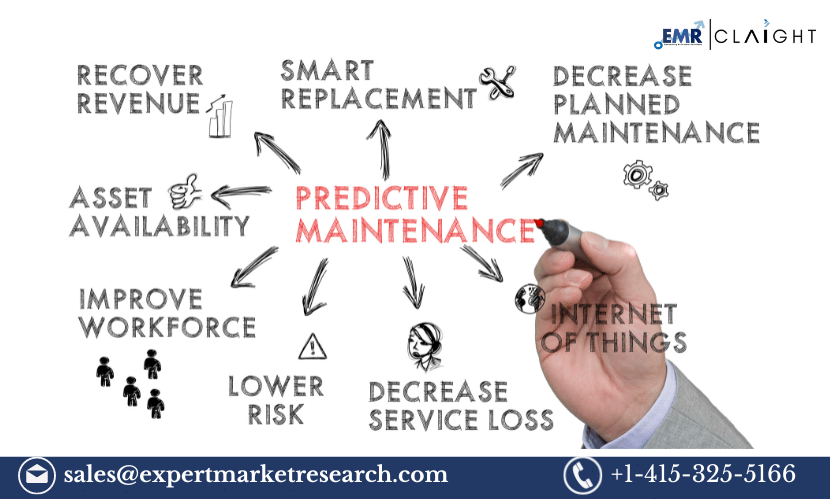
The predictive maintenance market focuses on using data analytics and machine learning to predict equipment failures before they occur, reducing downtime and maintenance costs. It encompasses various industries like manufacturing, healthcare, and transportation. Key players offer software solutions that analyze equipment data to anticipate maintenance needs, optimize schedules, and enhance operational efficiency. With the rise of IoT and AI technologies, the market is rapidly expanding, driven by the need for cost-effective maintenance strategies and the quest for operational excellence.
Predictive Maintenance Market Size and Growth
In 2023, the global predictive maintenance market reached a significant milestone, boasting a value of USD 6.24 billion. This figure reflects the increasing adoption of predictive maintenance solutions across various industries worldwide. Companies are increasingly recognizing the importance of leveraging data analytics and machine learning algorithms to predict equipment failures proactively, thereby minimizing downtime and optimizing maintenance schedules. The market's growth trajectory indicates a robust expansion, with a projected compound annual growth rate (CAGR) of 29.1% during the forecast period from 2024 to 2032.
Looking ahead, the predictive maintenance market is poised for substantial growth, with expectations to soar to USD 61.95 billion by 2032. This exponential growth is driven by several factors, including advancements in IoT (Internet of Things) technology, the proliferation of connected devices, and the increasing demand for cost-effective maintenance strategies. Furthermore, as industries continue to prioritize operational efficiency and seek innovative solutions to enhance productivity, the adoption of predictive maintenance technologies is anticipated to witness a steady upward trajectory, firmly establishing itself as a cornerstone in modern asset management practices.
Predictive Maintenance Market Trends
Several key trends are shaping the predictive maintenance market:
Request Sample: https://www.expertmarketresearch.com/reports/predictive-maintenance-market-report/requestsample
Integration of IoT and AI: The convergence of Internet of Things (IoT) and Artificial Intelligence (AI) technologies is revolutionizing predictive maintenance. IoT sensors collect real-time data from equipment, while AI algorithms analyze this data to predict failures before they occur, enabling proactive maintenance.
Shift towards Prescriptive Maintenance: Beyond predicting failures, there's a growing focus on prescriptive maintenance, which not only forecasts issues but also provides actionable recommendations to prevent them. This approach optimizes maintenance schedules, reduces costs, and maximizes asset lifespan.
Cloud-Based Solutions: Cloud computing offers scalability, flexibility, and accessibility, making it an attractive platform for predictive maintenance solutions. Cloud-based platforms enable real-time data analysis, remote monitoring, and seamless integration with other enterprise systems.
Emphasis on Predictive Analytics: Advanced predictive analytics techniques, such as machine learning and deep learning, are increasingly being employed to extract valuable insights from large datasets. These techniques enhance the accuracy of failure predictions and enable continuous improvement of maintenance strategies.
Rise of Industry-Specific Solutions: Predictive maintenance solutions are becoming more specialized to cater to the unique requirements of different industries, such as manufacturing, energy, healthcare, and transportation. Industry-specific solutions offer tailored features, algorithms, and analytics models to address specific challenges and opportunities.
Focus on Proactive Maintenance Culture: Organizations are shifting from reactive maintenance practices to proactive maintenance cultures. By embracing predictive maintenance technologies, businesses can proactively identify and address potential issues, minimize unplanned downtime, and optimize resource utilization.
Remote Monitoring and Augmented Reality: Remote monitoring technologies, combined with augmented reality (AR) interfaces, empower maintenance teams to remotely diagnose equipment issues, access relevant information, and perform maintenance tasks efficiently. This trend enhances workforce productivity and reduces response times for maintenance activities.
Market Opportunities and Challenges
Predictive maintenance presents significant opportunities and challenges:
Opportunities:
Cost Reduction: Predictive maintenance helps organizations reduce maintenance costs by minimizing unplanned downtime, optimizing spare parts inventory, and extending the lifespan of equipment through timely maintenance interventions.
Improved Equipment Performance: By predicting potential failures in advance, predictive maintenance enables organizations to optimize equipment performance, enhance reliability, and ensure smoother operations.
Enhanced Safety: Proactively identifying equipment issues can prevent accidents and ensure a safer working environment for employees, contractors, and the surrounding community.
Data-Driven Insights: Predictive maintenance generates vast amounts of data, providing organizations with valuable insights into equipment health, usage patterns, and performance trends. Leveraging this data can lead to better decision-making and process optimization.
Competitive Advantage: Adopting predictive maintenance can differentiate organizations from competitors by enabling them to offer higher reliability, improved customer satisfaction, and more cost-effective services.
Challenges:
Data Quality and Integration: Predictive maintenance relies on high-quality data from various sources, including sensors, equipment logs, and maintenance records. Ensuring data accuracy, consistency, and compatibility across different systems can be challenging.
Complexity of Algorithms: Developing and deploying advanced predictive analytics algorithms requires expertise in data science, machine learning, and domain-specific knowledge. Organizations may face challenges in recruiting and retaining skilled professionals to manage these complexities.
Infrastructure and Connectivity: Implementing predictive maintenance often requires investments in IoT sensors, connectivity infrastructure, and cloud computing resources. Ensuring reliable connectivity and data transmission in remote or harsh environments can pose logistical challenges.
Change Management: Transitioning from traditional maintenance practices to predictive maintenance requires organizational change and cultural shifts. Resistance to change, lack of employee training, and skepticism towards new technologies can hinder adoption efforts.
Regulatory Compliance: Industries with stringent regulatory requirements, such as healthcare, aerospace, and nuclear power, must ensure that predictive maintenance practices comply with relevant regulations and standards. Meeting compliance obligations adds complexity and additional considerations to implementation.
Market Dynamics
The predictive maintenance market is influenced by various dynamic factors:
Technological Advancements: Continuous advancements in IoT, AI, machine learning, and cloud computing drive innovation in predictive maintenance solutions. New technologies enable more accurate predictions, faster data processing, and enhanced functionality, shaping the market landscape.
Industry-specific Demands: Different industries have unique maintenance requirements and operational challenges. Market dynamics are influenced by factors such as equipment complexity, regulatory requirements, and safety standards, leading to the development of specialized predictive maintenance solutions tailored to specific industries.
Adoption of Industry 4.0: The ongoing adoption of Industry 4.0 principles, including digitization, automation, and connectivity, accelerates the implementation of predictive maintenance strategies. Smart factories and connected supply chains leverage predictive maintenance to optimize production processes and maximize efficiency.
Cost-saving Imperatives: Organizations seek cost-effective maintenance strategies to reduce operational expenses and enhance profitability. Predictive maintenance offers potential cost savings by minimizing unplanned downtime, optimizing maintenance schedules, and extending equipment lifespan, driving market demand.
Shift from Reactive to Proactive Maintenance: There's a growing recognition of the limitations of reactive maintenance practices and the benefits of proactive maintenance approaches. Businesses increasingly prioritize predictive maintenance to identify and address equipment issues before they escalate, improving asset reliability and performance.
Data-driven Decision-making: The proliferation of data analytics capabilities enables organizations to leverage vast amounts of equipment data for predictive maintenance insights. Data-driven decision-making drives market growth as businesses recognize the value of actionable insights in optimizing maintenance strategies and improving operational efficiency.
Competitive Landscape: Intensifying competition among predictive maintenance solution providers fosters innovation and drives market dynamics. Key players continually invest in research and development to enhance product offerings, expand market reach, and gain a competitive edge in the evolving landscape.
Competitive Landscape
The key players in the industry includes:
Microsoft Corporation
Hitachi, Ltd.
Schneider Electric SE
General Electric Company
SAP SE
International Business Machines Corporation
Others
Media Contact
Company Name: Claight Corporation
Contact Person: John Walker, Corporate Sales Specialist – U.S.A.
Email: sales@expertmarketresearch.com
Toll Free Number: +1-415-325-5166 | +44-702-402-5790
Address: 30 North Gould Street, Sheridan, WY 82801, USA
Website: https://www.expertmarketresearch.com
Aus Site: https://www.expertmarketresearch.com.au/


